The Rise of 7-OH: What Long Island Families Should Know About Concentrated Kratom Extracts
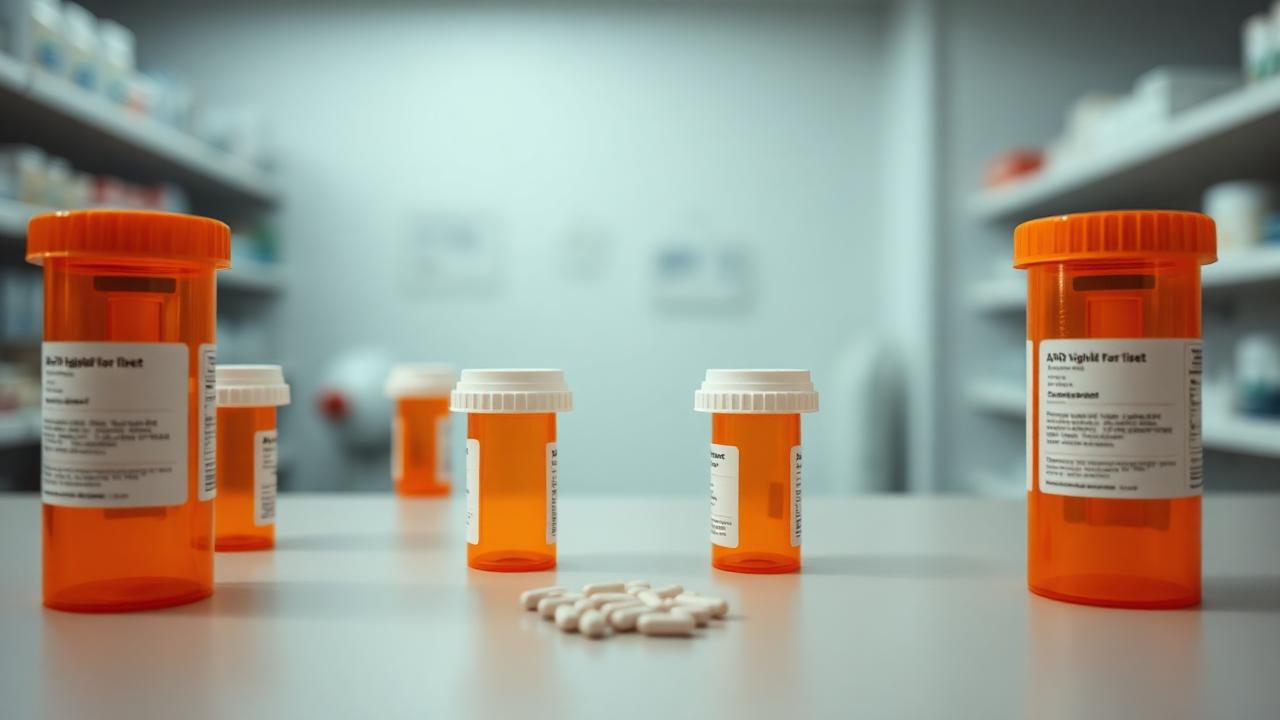
Over the past two years, a new category of product has been showing up on shelves across Nassau and Suffolk counties: tablets, shots, and gummies marketed as "7-OH" or "7-hydroxy." They are sold in smoke shops, vape stores, and even some gas stations, often near the register and often with little explanation of what they actually contain.
Many families on Long Island are just now learning that these products are not the same as the loose-leaf kratom powder that has been on the market for years. They are far more concentrated — and the people using them are reporting patterns of dependence that look much closer to opioid use than to a mild herbal supplement.
This guide explains what 7-OH is, why concentrated extracts behave differently from plain-leaf kratom, what warning signs to watch for, and where to find help in New York.
What Is 7-OH?
7-hydroxymitragynine, commonly shortened to 7-OH, is one of the active alkaloids found naturally in the kratom plant (Mitragyna speciosa). In a typical kratom leaf it is present in only trace amounts — usually less than 2% of total alkaloid content. Most of kratom's traditional effects come from a different compound called mitragynine.
The new wave of "7-OH products," however, is different. Manufacturers isolate or semi-synthesize 7-hydroxymitragynine and concentrate it into tablets, shots, or dissolvable strips. A single serving can contain many times more 7-OH than a person would ever consume from drinking kratom tea.
For a deeper breakdown of how regulators are approaching these products, see our companion piece on 7-OH drug classification.
Why Concentrated 7-OH Is Different From Leaf Kratom
7-hydroxymitragynine binds to the same mu-opioid receptors that morphine and oxycodone act on. In the small amounts found in plain-leaf kratom, that activity is mild. In concentrated form, it is not.
Researchers and clinicians who have begun to track these products report that concentrated 7-OH:
- Produces effects much closer to a short-acting opioid than to a stimulant or herbal sedative.
- Can lead to physical dependence within weeks of regular daily use.
- Causes a withdrawal syndrome that resembles opioid withdrawal — anxiety, sweating, restless legs, GI upset, insomnia.
- Is being used by some people specifically to manage opioid cravings or to "come off" stronger opioids on their own.
Because these products are sold over the counter and often labeled as supplements, many users assume they are low-risk. The clinical picture emerging on Long Island and across New York suggests otherwise. You can read a fuller medical overview on our 7-hydroxymitragynine (7-OH) addiction page.
Signs of a Developing 7-OH Problem
Patterns that families and primary care providers have started to notice include:
- Buying 7-OH tablets or shots multiple times per week.
- Taking a dose first thing in the morning to "feel normal."
- Increasing the dose because the original amount no longer works.
- Feeling anxious, achy, or unable to sleep when a dose is missed.
- Hiding purchases or spending more than expected at smoke shops.
- Using 7-OH alongside — or instead of — prescription opioids.
These are the same patterns clinicians look for when screening for an opioid use disorder. They do not mean a person is "weak" or "doing something wrong." They mean the body has adapted to a substance that acts on the opioid system.
The Long Island Context
Long Island has been at the center of New York's opioid response for more than a decade. Both Nassau and Suffolk counties continue to report some of the highest opioid-related overdose rates in the state. Against that background, the appearance of an unregulated, concentrated opioid-like product in everyday retail settings is a real concern for local families, schools, and treatment providers.
At the same time, 7-OH is still a relatively new phenomenon. Most New York emergency departments and outpatient programs are only beginning to ask about it during intake. If a family member is using 7-OH, it is worth telling clinicians directly — they may not think to ask.
For related substances commonly seen alongside 7-OH, see our pages on kratom and opioid addiction.
Evidence and What We Still Don't Know
Honest reporting matters here. The evidence base for concentrated 7-OH is still thin:
- The FDA has issued warnings about kratom-derived products and has flagged 7-OH specifically as a compound of concern, but it is not currently a federally scheduled substance.
- Peer-reviewed clinical studies on isolated 7-OH in humans are limited.
- Most of what is known comes from case reports, poison control data, and clinician observation.
The International Society of Substance Use Professionals (ISSUP) has published useful background on emerging kratom-derived products and the regulatory questions they raise. Their summary is available here.
The bottom line: there is enough signal to take 7-OH seriously, especially in concentrated form, even though the long-term picture is still being studied.
What Long Island Families Can Do
If you are worried about a loved one's 7-OH use, a few practical steps tend to help:
- Bring the actual product to the conversation with a clinician. Labels matter — concentration, milligrams per serving, and whether the product lists 7-hydroxymitragynine specifically.
- Ask about medication-assisted treatment (MAT). Because 7-OH acts on opioid receptors, the same medications used for opioid use disorder (such as buprenorphine) may be relevant. This is a clinical decision, not a self-help one.
- Plan for withdrawal. Stopping concentrated 7-OH abruptly after heavy daily use can be uncomfortable enough that people relapse. A medical detox or an outpatient taper plan can make this safer.
- Use New York resources. The NYS HOPEline (1-877-8-HOPENY) and OASAS-licensed providers across Nassau and Suffolk can help with assessment and referral.
Xanax Misuse on Long Island
Xanax misuse is part of the broader prescription drug and polysubstance picture across Nassau and Suffolk counties. Local emergency departments and community providers continue to see benzodiazepines involved in overdose calls, often alongside opioids or alcohol.
On Long Island, common patterns include teens and young adults obtaining pills from friends or online sellers, adults using leftover prescriptions to manage sleep or anxiety, and people in active opioid use mixing "bars" with fentanyl or heroin. Any of these patterns can quickly escalate into dependence.
Fake Xanax and Fentanyl Risk on Long Island
The DEA warns that a large share of counterfeit pills seized nationwide contain a potentially lethal dose of fentanyl. On Long Island, pills sold as "Xanax bars" through social media, delivery apps, or in-person contacts are frequently pressed in illicit labs and are not real alprazolam.
Assume any pill not dispensed by a licensed pharmacy could contain fentanyl, nitazenes, or designer benzodiazepines. There is no safe way to visually confirm a counterfeit. Free fentanyl test strips and naloxone are available through New York State and local Long Island harm-reduction programs.
When Xanax Use Becomes Dependence
Physical dependence on benzodiazepines can develop within a few weeks of daily use, even at prescribed doses. Signs that use has moved beyond a short-term prescription include:
- Needing higher doses to feel the same effect
- Feeling anxious, shaky, or unable to sleep between doses
- Using Xanax to "come down" from stimulants or alcohol
- Running out of a prescription early or seeking pills from other sources
- Continuing use despite work, school, or family problems
Dependence is a medical condition, not a moral failing. It responds well to structured, professional care.
Benzodiazepine Withdrawal Warning
Benzodiazepine withdrawal can be medically dangerous. Unlike many other substances, stopping Xanax abruptly after regular use can trigger seizures, severe agitation, hallucinations, or life-threatening complications.
Do not stop Xanax "cold turkey" without medical guidance. A clinician can create a gradual taper or, when appropriate, admit someone for medically supervised detox. If withdrawal has already started and includes tremors, confusion, chest pain, or seizure activity, call 911.
For a step-by-step overview of what to expect, see our benzodiazepine withdrawal timeline and symptoms guide.
Detox vs. Outpatient Treatment on Long Island
There is no single "right" level of care for Xanax use. Long Island offers a full continuum, and the appropriate starting point depends on how long someone has used, their dose, other substances involved, and their medical and mental health history.
- Medically supervised detox is often recommended for daily or high-dose benzodiazepine use, mixed benzo–opioid–alcohol use, prior withdrawal seizures, or unstable medical conditions. Detox typically lasts several days to two weeks and is followed by continued treatment.
- Inpatient or residential rehab provides 24-hour structure after detox for people who need distance from their environment or have co-occurring mental health needs.
- Partial hospitalization (PHP) and intensive outpatient (IOP) allow people to live at home while attending treatment most days of the week.
- Standard outpatient and therapy can work for lower-risk situations, stable tapers, or step-down care after a higher level of treatment.
A qualified assessment — not a self-diagnosis — should determine the level of care.
Nassau and Suffolk County Help
If you or someone you love is using Xanax bars in Nassau or Suffolk County, you are not alone and help is confidential. Local options include hospital-based detox units, OASAS-certified outpatient clinics, and licensed treatment programs across Long Island.
Explore benzodiazepine addiction treatment on Long Island or browse Long Island rehab facilities to compare programs by location, level of care, and insurance.
When to Seek Help
If you or someone you love is using 7-OH daily, taking it to avoid withdrawal, or using it to manage another opioid problem, it is reasonable to talk to a treatment provider — even if the product was bought legally over the counter.
Our team can help you understand local options on Long Island and connect you with a licensed provider. Learn more on our 7-OH addiction page, or call our confidential helpline when you are ready.
This article is for educational purposes and does not replace medical advice. If someone is showing signs of overdose — slow or stopped breathing, blue lips, unresponsiveness — call 911 immediately.